Heart
3 Minutes Read Time
Managing Editor Lisa Ampleman: In “Heart,” David James Poissant shows how information can be revealed slowly and deliberately in a piece of flash fiction. The story begins with a drinking game and builds to a complicated lesson about the body and memory.
Listen to Poissant read the story:
Heart
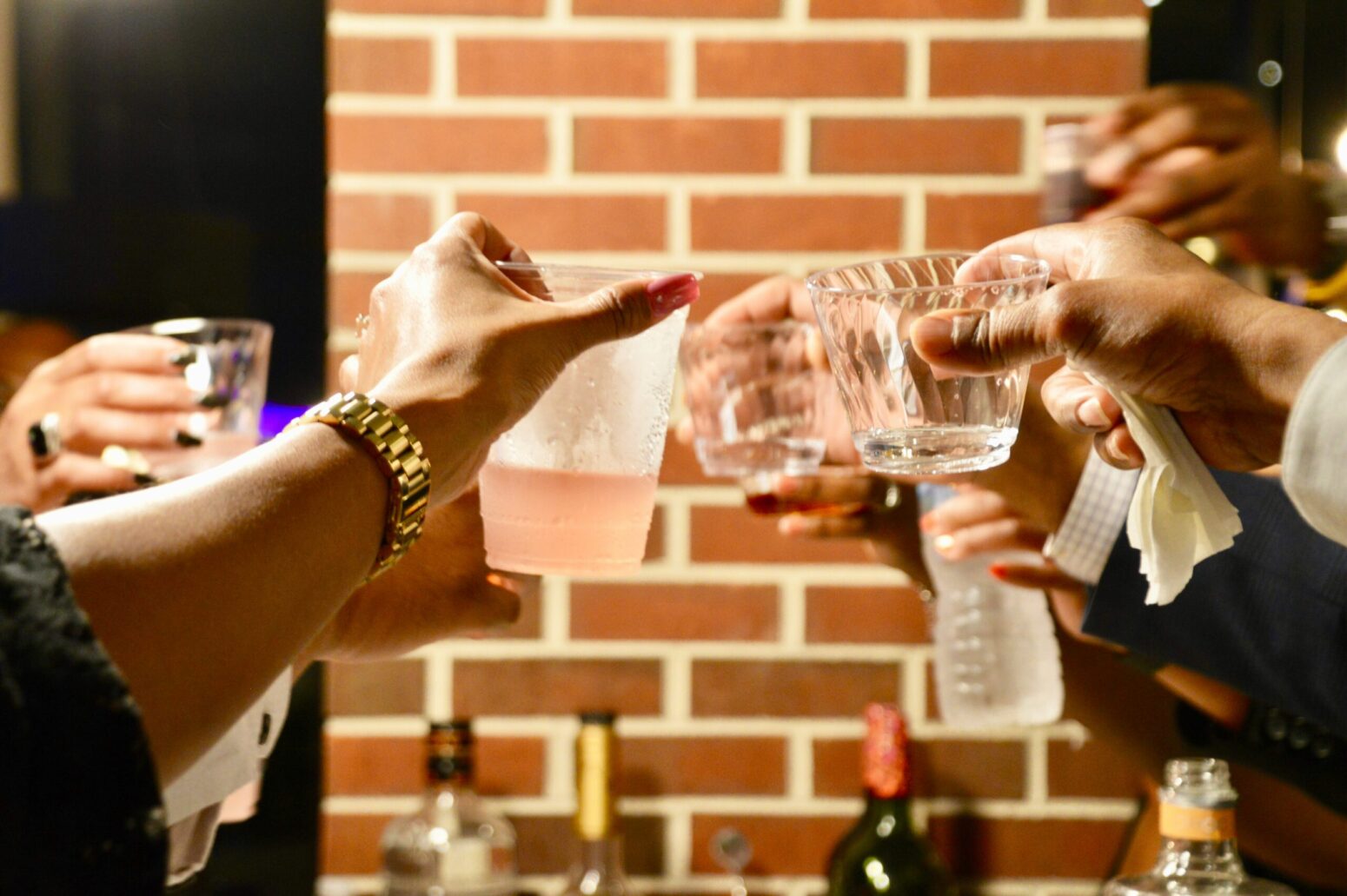
It was one of those drinking games. You go around the table, and each person says which memory they’d borrow from a parent to embody. Dusty said he’d be his father at Woodstock to catch the legendary Grateful Dead five-song set. Sarah said she’d be her mother at The Beatles, Forest Hills Stadium, 1964. Rylie said she’d rescue her drowning brother from a swimming pool, as her mother had, to see how it felt to save a life. After which Sammy, the quiet one among us, mentioned that if pressed, he’d pick his parents at the moment of his conception. Asked whether he’d rather be his mother or his father, Sammy, undeterred, suggested that if it weren’t against the rules, he preferred to be both, first one, then the other, so that he might know how it felt to summon life from either end. This shut the table up pretty good, and we drank in the dim light of Dusty’s kitchen a while longer before Patti asked Sammy just what the fuck was wrong with him. But we were mostly on Sammy’s side. Perverse as it sounds, there is something sacred—or, if not sacred, sideways to sacred—to the thought of living at the center of your own creation, at once sperm and egg and the product and producer of both. Sacred if you overlook the optics of fucking your mother. Still, Patti wasn’t having it. She’d dated Sammy in college and said he was bad in bed then, and what made him think he’d be better seeing out his father’s eyes. Soon as she said it, Patti covered her mouth, and we remembered how Sammy’s father had died when Sammy was a baby, the other driver asleep at the wheel. I’m sorry, Patti said. And we forgave her, waited to see if Sammy forgave her too. He did, by way of a story that he told, filling the kitchen up with smoke. We all smoked in those days, the air a warm, electric fog. A decade past the accident that claimed his father’s life, Sammy said, he and his mother met a woman for lunch. Sammy’s mother cried in the diner, and Sammy couldn’t remember what all they talked about, except that it emerged that Sammy’s father had been an organ donor. No one had told Sammy, before then, on account of it might scare the boy, the thought of his father’s organs filling someone’s guts. Seven someones, it turned out. And though he hadn’t divined precisely what was happening at the time, Sammy reported that at some point during lunch, the woman who was not his mother patted the booth, and Sammy, at the stranger’s behest, moved close, closer, closer, close enough. He felt his mother’s hands on him, felt her fingers in his hair as she pushed her son’s face to the chest of the other woman, and there, Sammy heard, for the first and last time, the slow and steady beating of his father’s heart.