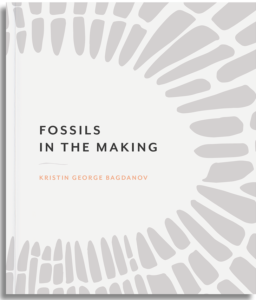
What We’re Reading: Fossils in the Making by Kristin George Bagdanov
In Kristin George Bagdanov’s debut full-length poetry collection Fossils in the Making (Black Ocean, 2019) it is no coincidence that “gyre” rhymes with “lyre.”

In Kristin George Bagdanov’s debut full-length poetry collection Fossils in the Making (Black Ocean, 2019) it is no coincidence that “gyre” rhymes with “lyre.”
It’s that wonderful time of year again! The Cincinnati Review will open our Submission Manager for all submissions on Sunday

Yesterday, we featured the first part of our pas de deux between authors Joanna Pearson and Jillian Weiss, whose story and essay have eerily similar content, with both references to the devil and to kids in care of the state/foster system.

When we realized we’d be publishing both Joanna Pearson’s story “The Films of Roman Polanski” and Jillian Weiss’s essay “Invisible Man Asshole,” we knew we wanted the two pieces in conversation together
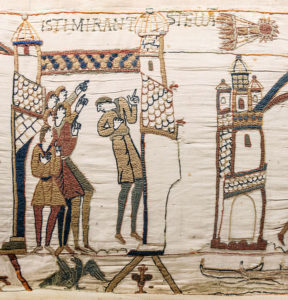
Jacques J. Rancourt’s fabulous poem “A Detail from the Bayeux Tapestry, 11th c.” moves beyond simple description, employing the tools of the best ekphrastic work…
Instead of focusing on how, Marilyn Abildskov’s essay “Confetti” delves into that which often goes unnamed in workshops: What do we write about?
In Issue 16.1, our literary nonfiction offerings include Emily Block’s essay “Fog Studies,” which meditatively explores many different aspects and meanings of “fog.”
You don't have credit card details available. You will be redirected to update payment method page. Click OK to continue.