Emerging Writers: Siobhan Jean-Charles
5 Minutes Read Time
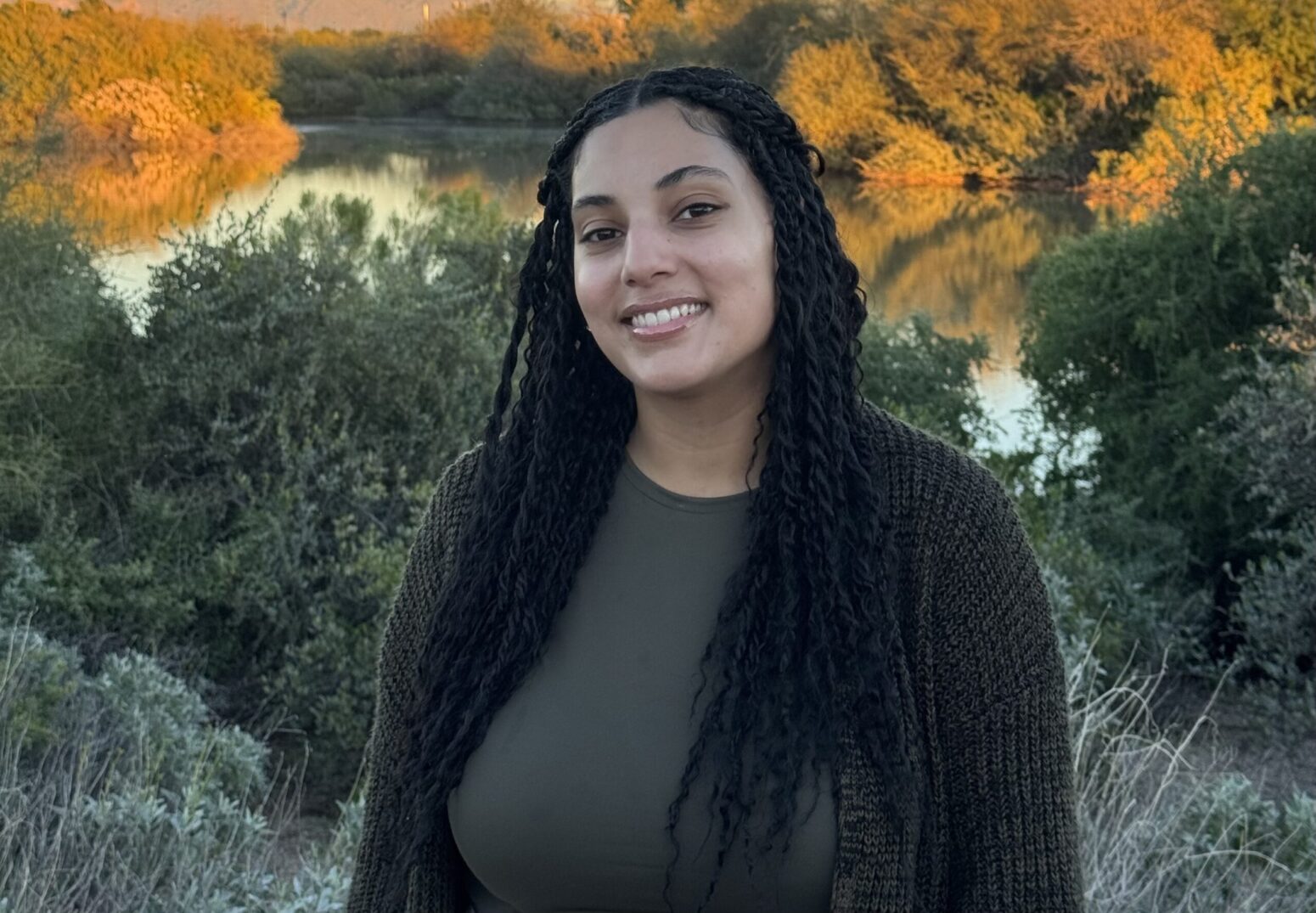
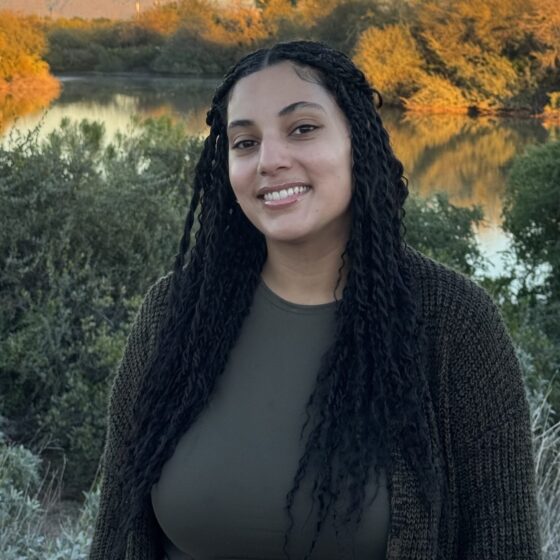
Associate Editor Andy Sia: We noticed a number of writers in our upcoming issue who are in relatively early stages of their publishing career, and reached out to chat with them as a part of our emerging writers series. In a sense, writers are always “emerging,” given the constant self-discovery and self-transformation that happen throughout any craft process. For the purposes of this interview series, we focused on the scope of professional affiliations—institutional support to date, range of publications—though we recognize that ultimately, emergence is an ineffable state that exceeds easy definitions. More broadly, our curiosity about emergence extends to the work itself: How does a poem or story take shape from amorphous origins and, indeed, emerge? Here’s my interview with Siobhan Jean-Charles, whose poems “Ode to Freeze Spell” and “Springfield Ghazal” appear in the upcoming issue.
Take us back to the start, before you’d begun drafting. What set the stage for “Ode to Freeze Spell” and “Springfield Ghazal”?
Both poems began when, as an undergraduate, I took a class on African American satire with April Logan and learned about Zora Neale Hurston’s writings on Jamaican and Haitian spirituality. Eventually, I read Hurston’s book Tell My Horse. A year later, after a creative writing workshop, I had a two-hour conversation with a classmate about Christianity and Nigerian spirituality. Our friendship was crystallized from this conversation and it was the first of many discussions about the ways that Christianity has flattened the nuances of spirituality and portrayed African spirituality as demonic. I love this question because poems for me are shaped by a multitude of conversations, memories and experiences, and both poems felt incredibly cathartic. Once I sat down, they poured out of me; I had been carrying them inside me for years.
Tell us about the process of writing the poems. Did the poems change significantly since their inception? How did you land on the structure and overall trajectory of these poems?
I relied on poetic forms during the writing process because I felt intimidated by writing about Haitian superstitions such as the freeze spell. Both poems are inspired by Haitian remedies, which overlap with Haitian Vodou, an Afro-Caribbean religion that was formed during the transatlantic slave trade. Haitian Vodou is stigmatized throughout the world and is taboo even within the country, and this poem was born after a conversation with my grandmother, when I asked her about Vodou—at first, she insisted she knew nothing. Most Americans have only been exposed to caricatures of African diasporic spirituality such as voodoo dolls, which have been mischaracterized as torture tools in horror movies like White Zombie (1932). Haiti is a majority Catholic nation, that is: Most Haitians are incredibly devout Christians who simultaneously practice Haitian Vodou—visiting a mambo or priestess regularly—and folk remedies like the freeze spell.
Neither poem has changed very much since the first draft, because writing in poetic forms gave me a path to begin the poems with clear parameters. I wrote “Ode to Freeze Spell” as a praise poem, feeling compelled by the beauty of holding two conflicting spiritual beliefs and how folk remedies have survived over hundreds of years. For “Springfield Ghazal,” I drew from the rich tradition of the poetic form that has an aspect of despair performed for the audience. I wanted to explore the anger and anguish I felt upon hearing Donald Trump spread racist lies about Haitians during the September 2024 presidential debates. The ghazal’s refrain is described as prayer-like, and the form felt like a vessel to explore the devotion that my family shares, both to one another and to their faith.
Describe the first poem you wrote. What’s the most recent poem you wrote?
The first poem I ever wrote was about my mother. I am constantly inspired by the mythos of the women in my family, who are talented, gracious, and at times elusive. The most recent poem I wrote is about menarche and the prevalence of fibroids, which are even more common for Black women. Lupita Nyong’o recently shared that she’s been living with fibroids, which has made me think about societal expectations that shame women and girls into hiding our menstruation with euphemisms, that insist that we do not discuss our bodily functions and admit our (often) excruciating monthly pain. In this poem, I aim to subvert these expectations and write about menstruation with frankness and refusal to hide behind the decoration of the lyric.
What is something you’ve been learning or practicing of late, whether that’s related to writing or not?
I have been reading more about Haitian Vodou through the University of Vanderbilt’s scholarly research on Haitian Vodou. Since Haitian Vodou is so stigmatized, I have an elementary understanding of it and have been attempting to learn more about the various ceremonies and pantheon of spirits, alongside reading books written by Haitian priests and priestesses. By the time this interview is published, I will have made a trip to Boston to visit my mother’s family and hopefully interview them about the history of bush medicine in our family.