A Layman’s Guide to Museums
7 Minutes Read Time
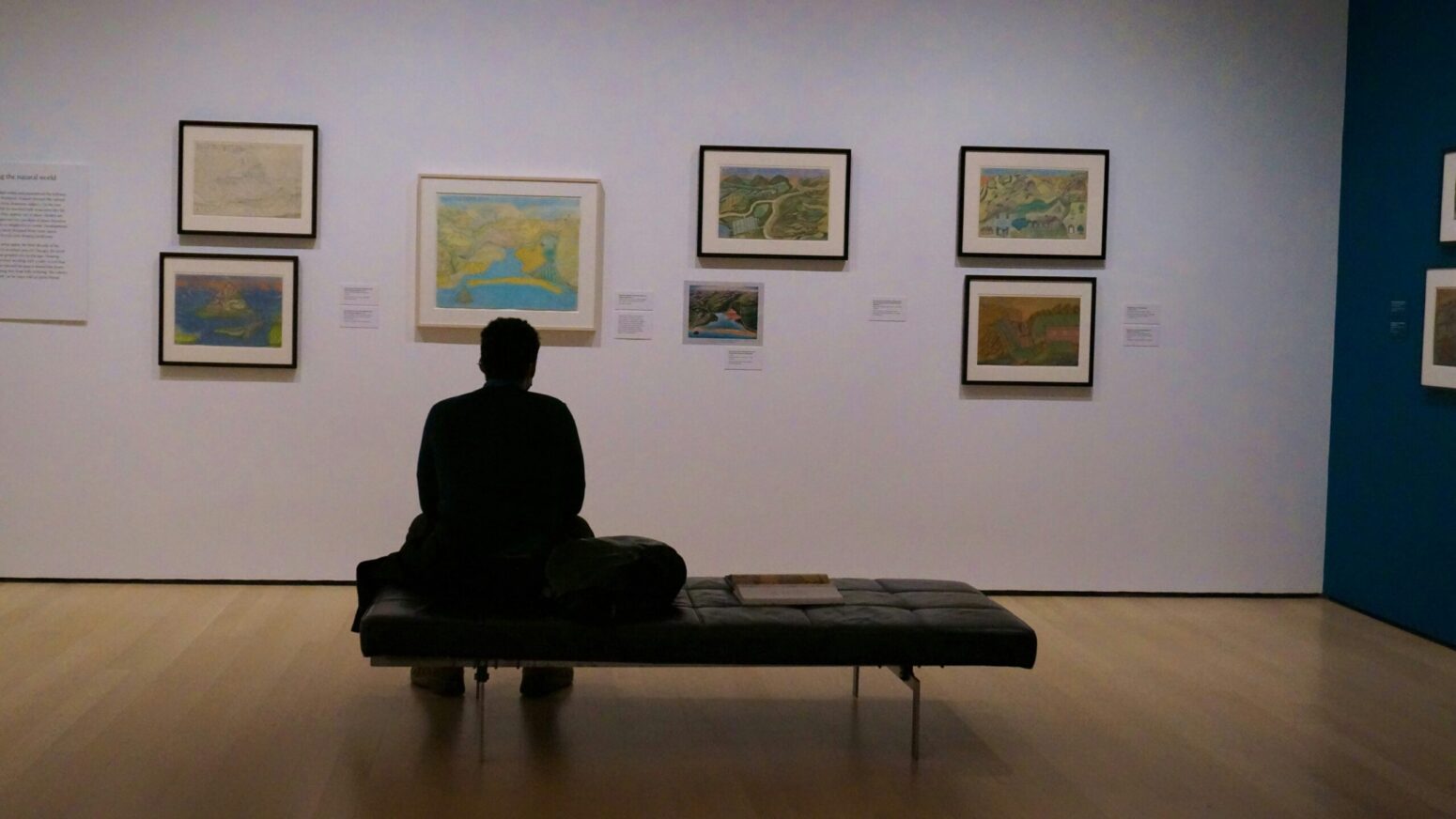
Cincinnati Review: Nick Kunze’s “What Does the Horse Mean?” in our most recent issue looks at art through the POV of a museum security guard. Today, we look at museums through the POV of Nick Kunze.
A Layman’s Guide to Museums
My story, “What Does the Horse Mean?,” is set in a museum. So, it’s only fitting to use this space to consider museums’ endless, malleable appeal.
My own relationship to museums is not fiction-worthy. I didn’t spend my youth wandering the halls of an anthropology museum where my father happened to be the curator, like the precocious hero of a young adult novel. Hopping genres, I’ve never been involved in an art theft or witnessed a murder in a gallery. If I’m being honest, I’m a middling museum visitor at best—I rarely read the plaques, preferring to experience exhibits by osmosis. But, I do love a museum. It’s a stop in every city I visit, anywhere on the globe. What, I wonder, draws me to them?
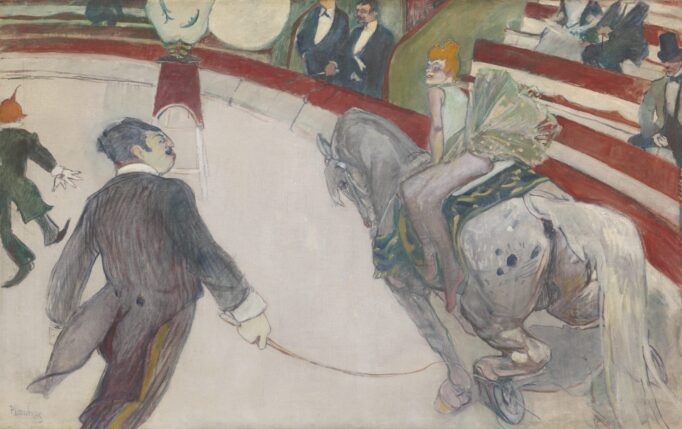
After rushing past haystack after haystack, I’m transfixed. It’s weird. A little menacing. I like it.
Inspiration is part of the answer. The first inkling of “What Does the Horse Mean?” emerged while I was exploring—you guessed it—a museum. This was years ago, but I remember where I was when the idea struck. There was a neon light sculpture, a rug, a television on a pedestal. Another room was taken up entirely by a single piece of conceptual art: a light show combined with nature sounds, flashing yellows and buzzing bees. The exhibits in these rooms were all art that had escaped the confines of a canvas. Inspiration, however, isn’t the only reason I’m drawn to museums. I don’t live my life for the sole purpose of finding ideas. I think what draws me to museum after museum is how much power I hold as a museumgoer. In a movie, I have no control over the plot. At a concert, I do not decide when the bands begin to play, or if they’ll perform my favorite songs. Only in a museum do I have full creative control over how I perceive the art.
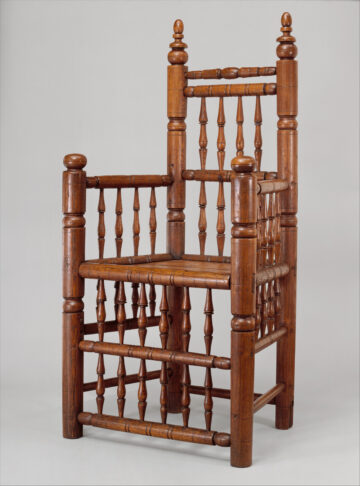
Yup, that’s a chair.

Not for me. Sorry, JC.
As a visitor, I owe the museum no allegiance. I move at my own pace, choose my own adventure. I can stare at one painting for five minutes and then skip the next five entirely. I am not obligated to look at art that does not interest me, to explore room after room of religious iconography, ten thousand Jesuses with matching penitent expressions. I’m a writer. I like narrative, character. For this reason, massive canvases of dark-colored abstraction don’t entice me. A collection of kitchen chairs placed just so doesn’t get me excited. I’ll look while I pass, but I am not compelled to stop.
Freedom of exploration also turns museums into a unique social experience. A guideline for a good museum partner: similar pace. My dad explores a museum like he’s checking the curators’ work. He reads every plaque, takes slow deliberate steps with his hands behind his back. I am glad he enjoys himself. By the time I’ve finished an exhibit, however, he’s still in the first room, absorbing historical context, forcing me to flee to the gift shop to wait him out.
Another smart rule: talking about the art is good, but talking about the art the entire time is bad. Unlike my dad, my mom will use the museum as a place to continue our earlier conversations, bringing up whatever it is she wants to talk about. I say, no; save it for outside. Like the gallery we’re in, our conversation should be curated.
With the right person, a visit to a museum can even be a source of humor. My girlfriend and I have imitated the art in countless museums, daring each other to laugh with our antiquated poses and Victorian faces.
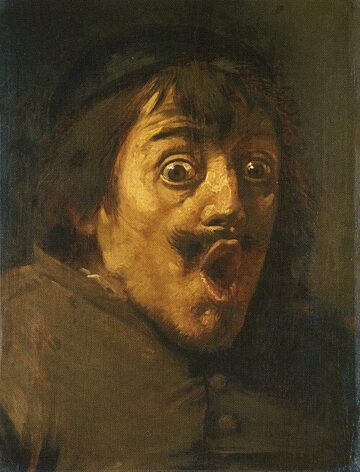
Come on. Make the face. Do it.
Enjoying a museum also has a physical requirement. To fully explore a museum, you need to be on your feet for possibly hours at a time, choosing the enrichment of your mind over the soreness of your feet. I am naturally competitive. Do I like a museum because it’s something to overcome? I maximized the twenty-five dollars I paid you—no student discount, thank you very much—walking five miles to soak up every little mystery. Even if I don’t look at everything, I also don’t want to miss that one thing that will set my imagination alight.
There’s also the catch-all appeal. Museums can house art, the bones of long-dead beasts, the artifacts of long-dead cultures. It can likewise be home to guitars, advertisements, signed baseballs, ball gowns, entire trains, warships, film props, rare flowers, or massive magnets. The only barrier to museumdom, in fact, is passion. At least one person must care enough to amass a collection, find the space to display it, write up the plaques, and man the door.
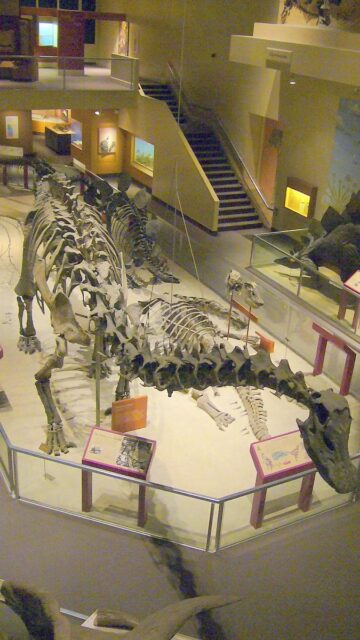
Fun fact: it’s impossible to spend too long in the dinosaur room.
While the biggest, most famous museums of the world are magnificent, it’s smaller museums that really fascinate me. They feel like personal statements. They’re works of art themselves, in the most literal sense: someone interpreting the world through the act of creation. There’s a pinball museum in New Jersey. A ventriloquism museum in Kentucky. A UFO museum in Roswell, New Mexico. The Darwin Twine Ball Museum in Minnesota houses a single, massive ball of twine. I’ve had a wonderful time at Oklahoma City’s National Cowboy & Western Heritage Museum (formerly the Cowboy Hall of Fame), and taken three trips to the MODO (Museo del Objeto del Objeto) in Mexico City, which inspired a work of flash fiction. In my own Los Angeles, the Museum of Jurassic Technology feels almost insidious: an unclassifiable combination of odd artifacts and fictitious facts, compiled in dark rooms and narrow corridors.
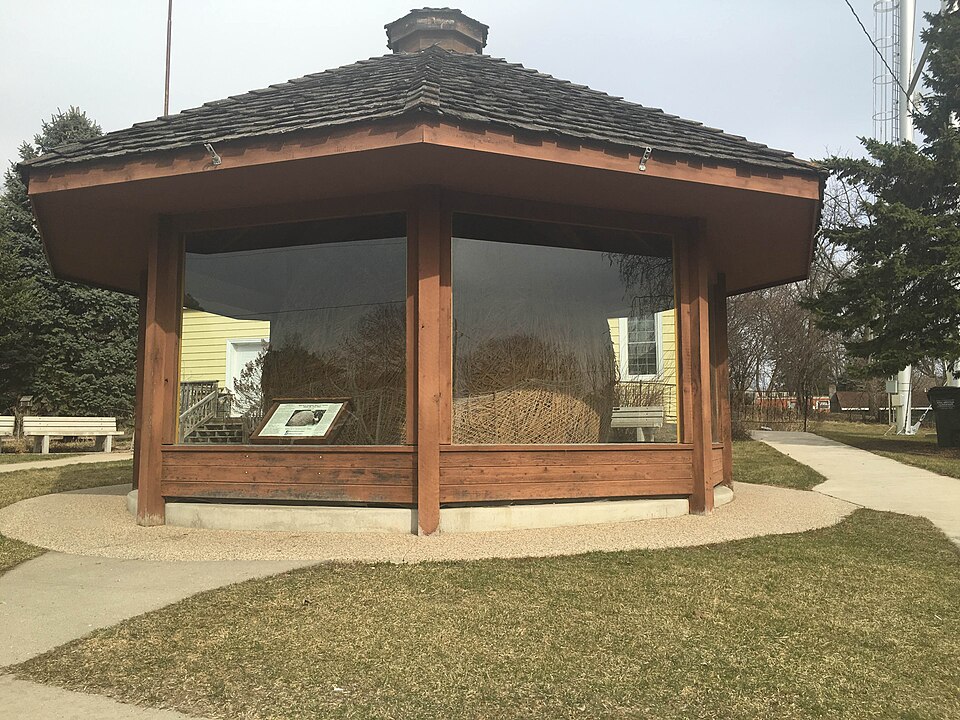
Hell yeah.
The mind goes further. Is a zoo a museum? The elephants a sculpture garden, the reptile house a dense gallery of frames? I interact with them in the same way I do a museum exhibit. At the San Diego Zoo, the swinging, whooping monkeys can hold my attention for ten minutes, while the dumpy, sleeping tapir is given only a passing glance. How about a temple in Thailand, with plaques explaining deities? Or a music festival as a curation of sounds? Although this last one appeals less—too loud, too crowded.
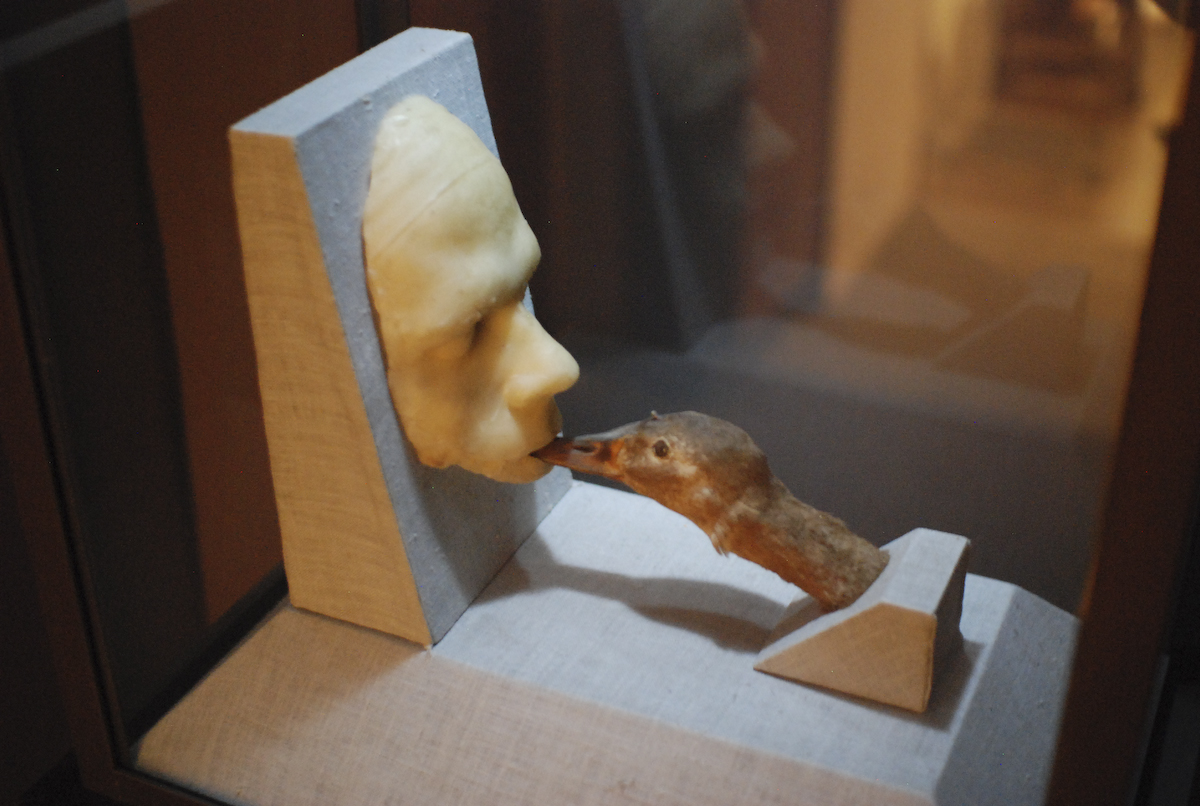
Apparently, breathing in a duck’s breath can cure childhood thrush. This place is cursed.
I think all of these musings can be attributed to the fact that a museum, while a collection of ideas and thoughts, is also a physical space. The A/C is running. There’s coffee for purchase. It’s somewhere to wait out a storm or hide from the heat, a place where you can spend forty minutes or an entire day. Sometimes your mind might wander, or you can give your entire focus to someone else’s thoughts. It’s a place to hear the silence when your footsteps finally stop in front of that one, perfect piece you’ve been searching for all day.
Perhaps, if I’m lucky, my next story will be waiting there.