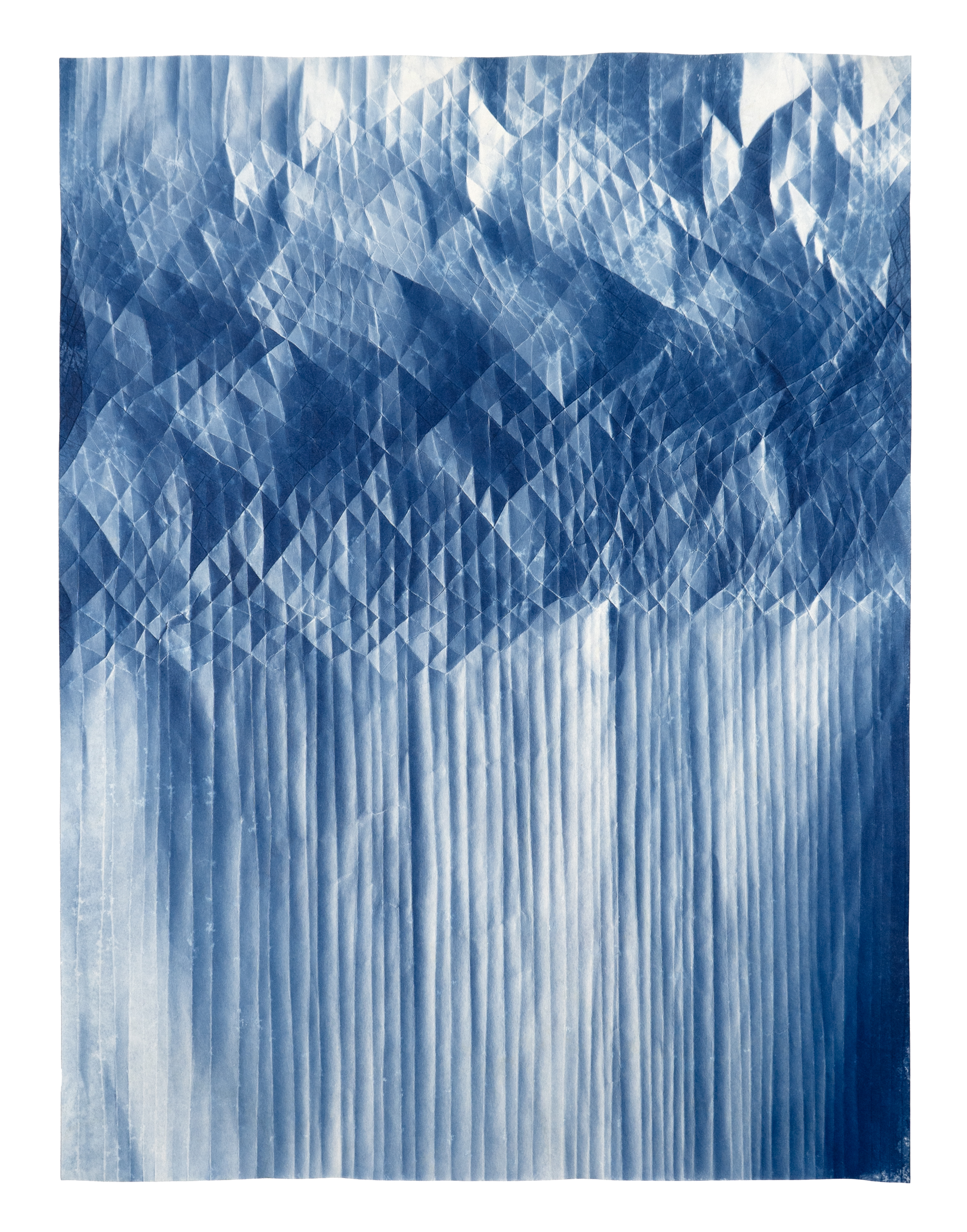
Glass House (Patent Specification 494,452)
4 Minutes Read Time

There was a sandpit. Conveyor belt,
               sludge pond, river
                             of glass. There were halls
               for pouring and for polishing,
mixing room, a building to house the boilers.
                             Director’s villa. Administration. Depot,

canteen, workshop, and a room
               for fellowship. Kiln room,
                             kindergarten, apartments for workers,
               the owner’s family home
on the city’s market square.
                             Plate glass, wired glass, opaque

and mottled, mirrors, bulletproof:
               ways to make all manner
                             of passages for light. Glass polished
               on round, wide tables, rotating,
plates fixed into plaster
                             by dancing wood-shoed men.
                                           Boudin glass poured and rolled, the great drums

turning. Halls full of sheets cooled and cut
               to measure. Spun-
                             glass fibers wound on
               spools. Opaxit tiles slicked
the earth’s insides, five thousand pale square meters
                             in Potsdamer Platz drew commuters’ dreams across

white gloss as they sped under
               the world out to their lives
                             that handed down to us the days we touch
               today. All the surfaces
we passed our fingers over
                             when as children we walked home,

grazing a wall, bumping hands
               along the links or bars
                             of metal fences, tearing a leaf off
when we felt its face. Barriers
               we hit up against. All
                             the webs we weave ourselves
                                           into. The spaces between the threads.

We peer to capture traces. Madame
               Bovary and
                             countless women
               in the pages of old novels
look out at the world from behind their windows.
                             They didn’t make the glass. Glass mountains, glass slippers,

sand that cuts like shards beneath
               new feet where the fish-
                             tail split, the mermaid’s foam now washed up on
               the sands, waiting, for the in-
evitable, the glassed and
                             covered carriages carrying

characters to their despoilment.
               The girl played a glass har-
                             monica, spanned notes across the trembling
               resonances, whispered German
verses in my ear, abyss
               of longing wrought
                             from fingers placed on fragile, rounded

vessels cast, just so, to tune the notes
               into exqui-
                             site harmonies. She
               named the tones, turned them to strings, spun
the fibers from the sound onto a spindle,
                             yarns in richest colors, drew a brush, white, across

the canvas of the night. She
               painted light. She painted
                             time. Painted the quiet. I watched her through
               the glass. Dark paint-smudged curls, white
petticoat, wide patchwork skirts,
                             there was unity between

outside and in, just for
               minutes. Maybe the flax
                             grows in the field not just for weaving
               but for waving blooms in awe up
to the sky. Blue to blue.
                             Maybe the cells that form
                                           the fibers keep some of that yearning

past the softening and the pounding
               after harvest.
                             Maybe the linen
               dish towel whose shreds dissolve be-
tween my fingers still remembers something of
                             the field and sun from which it came. A previous

century, an ocean and
               a continent away.
                             Red cloth, white flower woven down its length
               in white brocade. Where the
pattern was worked, the linen
                             did not fray. A painted icon

on my parents’ wall, purchased
               in Poland years ago:
                             Mary painted on the glass, but from
               behind. The surface facing us
untouched. Her flax-blue robe all
                             seeded with a hundred
                                           flowers, her curls, crown, an orb in one hand,

framed in dark brown wood. The tensile strength
               of glass fibers
                             spun according to
               patent number 494,452
is much greater than with previous
                             methods. And then the patents for making wired

glass: Wires soldered together,
               instead of twisted, make
                             a stronger, smoother sheet in several
               pattern options. See what they
came up with: hexagon, square,
                             diamond, triangles, designs

the patent lithographer
               etched in 1932
                             to echo the inventor’s sketch. Pour glass
               over the filaments to freeze
the web in place. I have
                             not lost the thread here. I
                                           touch the surfaces and try to look

ahead. The doors of this glass house can
               open backward
                             or forward. Fronts and
               borders shifted. My family
gathered up its losses; it carries them still.
                             I know the house they built held hurts I cannot heal,

            and we all may
                             be born into unrooting. No past
                                            that I might hope
                             to mend with all
            my neat and careful
                                            stitching.
Read more from Issue 23.1.
