An Assassin’s Guide to Poetry
2 Minutes Read Time
An old assassin finds himself out of jobs
& is practicing dying. Every morning,

he does his dishes, boils coffee, & when the sun
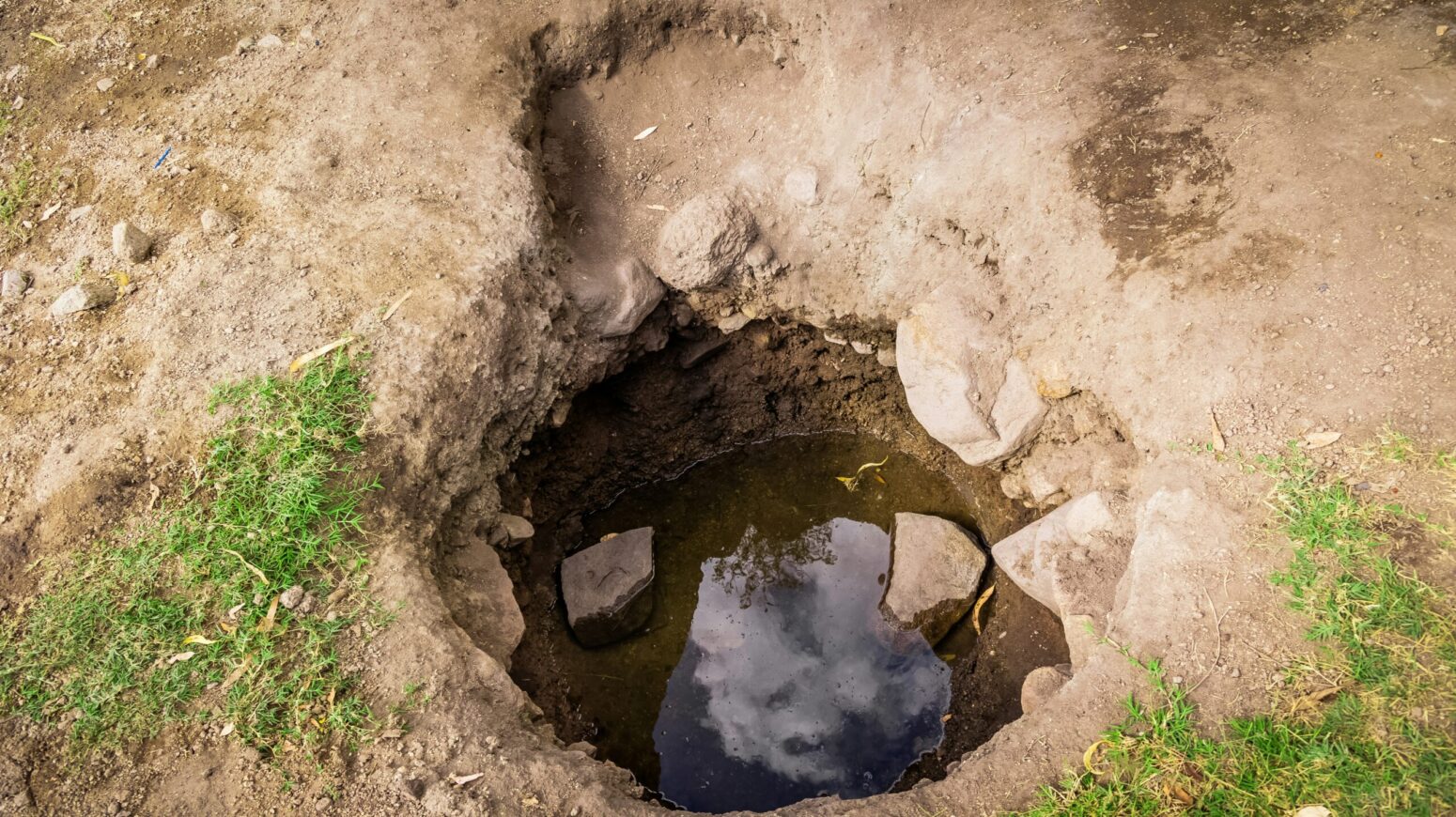
is high, goes into a hole he dug in his backyard

& stands still. In his dream, a teenage girl
is writing a short story. She calls her protagonist

Ben, giving him a waistcoat so he can smile
& make a three-course meal. It’s about noon

& the old assassin, dizzy & dehydrated,
goes inside for lunch. The next day,

he is out again, entering the hole in his backyard
& sticking his feet under the soil. The girl

is taller now, having entered high school
in a nearby city. Now she has two Bens,

one to bring bouquets & another who waters
her cactuses & is always smiling. It’s about noon

& the old assassin, almost falling apart,
climbs inside to eat. Days pass. Weeks. The hole

is deeper & deeper, & the old assassin likes its moisture
at waist level. He sleeps better this way. But

when he shuts his eyes, the girl, now a college student,
appears with real Bens in her room. She opens her notebook

when they ghost her, changing one Ben to a vulture
& another, a stool. The old assassin watches attentively.

He can hear the pencil scurrying on the page,
like a wolf howling in a large pack through the snow

of its loneliness. He moves his toes
in search of water, raising his arms

to the sun, like a target on an assassin’s map.
The time has come. When a hard frost snaps

all the leaves from a gingko, an owl, slow & alert,
may rest on it to preen. It may even bring its family.

& the girl, having failed a few interviews, having missed the time
for a house party, might go past an empty house, not noticing

the gingko in the backyard, its life spent watching others
nearing their ends, its fruit toxic, its branches bare & calm.
Read more from Issue 23.1.