Writers’ Day Jobs: Alice McCormick
4 Minutes Read Time
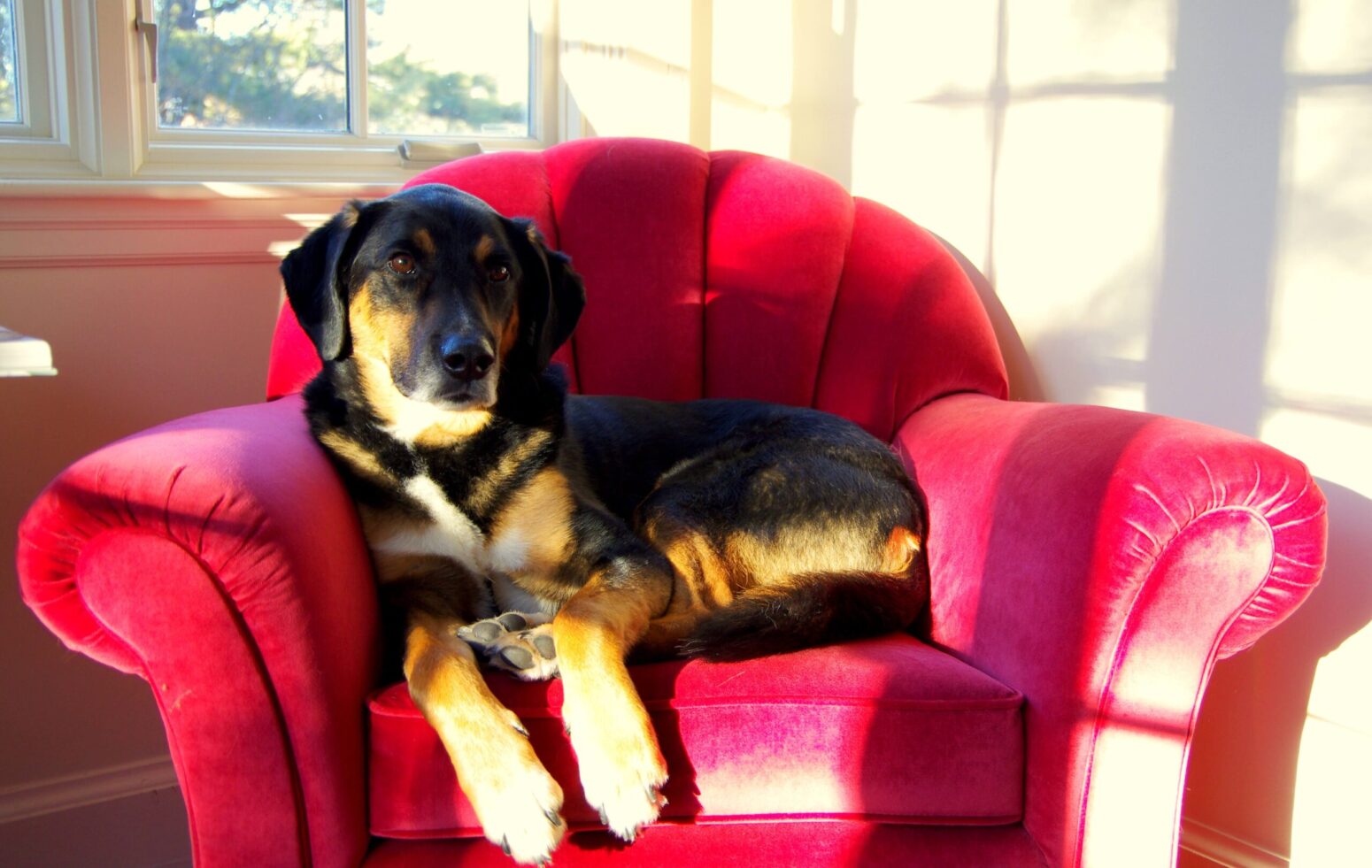
Associate Editor Andy Sia: I loved reading Alice McCormick’s story “Follow The Signs,” a vivid and moving account of a family who went on road trips in search of yard sales, in our recent print issue. Reaching into the winding paths of memory, time, and place, McCormick underlines not only the excitement of searching—the thrill of unexpected treasure in a yard sale—but indeed, also the nerve to search, in lieu of certainty or a map. A husky named Goat—beloved with his yellow-brown teeth and his drool like glue and all—accompanied this family in their search. When I learned that Alice worked as a small animal vet for ten years, I reached out to ask her how her experiences working with animals have shaped her writing and creative process.
How would you describe what you did for your day job?
The daily working life of a small animal veterinarian was always different; I never knew what would walk through the door. In emergency it could be a hairless, scabby, desperately itchy Pomeranian, a seizing Siamese, a Labrador who just ate a pack of cigarettes, or a German Shepard hit by a car, unable to breathe with multiple fractures. General practice had more advanced scheduling, but appointments came one right after another. Anything from a cat who has been losing weight and vomiting for a couple months, to vaccines for a flipping, bouncing, needle-toothed puppy to a euthanasia attended by the whole family for a Rottweiler with bone cancer. A day’s schedule could turn from under control to a wild explosion within a couple of minutes. On surgery days there might be spays, neuters, an excision of a tumor the size of a football, tooth extractions, maybe a surprise foreign body removal from the intestines (socks, underwear, rocks, baby bottle nipples). If not doing any of the above, I was talking to owners, writing up records of appointments, returning calls from owners, or interpreting radiographs, bloodwork results, microscope slides, or many other things!
What did you enjoy about your job and what were some of its detractions?
I enjoyed working closely with a huge number of dogs and cats of different personalities and sizes and cooperating in a small team with other veterinarians and veterinary technicians. My favorite tool was the ultrasound machine. Something about quietly and carefully running the probe over a relatively relaxed animal, looking for subtle internal organ abnormalities on a shifting gray screen. In some ways, at least metaphorically, it reminds me of my writing process: probing inward in the silence for detailed clues and meaning. I also liked working with aggressive or fearful dogs, especially when I could slowly win their trust.
I struggled working under time pressure in emotionally charged situations with clients, which unfortunately happens quite often. The veterinary industry also faces a lot of challenges now with the rising cost of care, hiring shortages, work overload and practice buyouts.
How, if at all, does your work inform or relate to your writing life?
Everything I do influences my writing in some way. As a vet, I got to know people from all different backgrounds, old and young, with large families and no family, from lawyers to radiology technicians, to professional football players and farmers. Animals, both domestic and wild, appear frequently in my writing. I hope they come off as characters in their own right. I think animals have more awareness and ability to feel emotions than we traditionally ascribe to them. I also like to see how human characters interact with animals, what they feel or think when with an animal that they won’t when with a person. I’ve also learned a lot about human behavior from being a veterinarian, especially when in close quarters with high emotional stakes. In the ER, you see a lot of fast tragedy—and in general practice more slow tragedy. Some respond with suffering that expands outward and some with astonishing grace.
What creative projects are you working on right now?
Currently, I’m in the fourth draft of revisions of my first novel. So far, I’m enjoying the heft and scope of a longer project and learning a lot along the way. I wrote the first draft quickly without an outline or plan and I’m now working through restructuring parts of the novel and adjusting the tone and distance of the narrator. Though at times frustrating, I like the work of revision and seeing, ever so slowly, the story improve under the effort I’ve put in.