Bean Burritos: to Eat, to Save
3 Minutes Read Time
Associate Editor Blessing Christopher: Dustin M. Hoffman’s story straddles multiple timelines and seamlessly connects the past to the present. The piece highlights how the silent things we inherit can course through our blood unnoticed, to emerge in unexpected ways much later.
Listen to Dustin M. Hoffman read the piece:
Bean Burritos: to Eat, to Save
My daughter, ten years old, orders two Taco Bell bean burritos. The first she eats. The second she saves for tomorrow. Already, too soon, she plans for disappointment, bets her parents’ meal planning will betray her taste buds, her tiny belly we struggle to fill. We worry over weight, study growth charts, feel like failures when the doctor points out her dot falling below the curve of normal. We’ve dwelled in worry since she shed birth weight in those terrifyingly precious first days, when she wouldn’t latch, when the milk wouldn’t come, until it did. So we give in to the burrito bargains. Two become three. This drive-through order might just nudge her dot back onto the curve, might insulate her from a future of lost friends, rejection, heartbreak we’ll never hedge against.
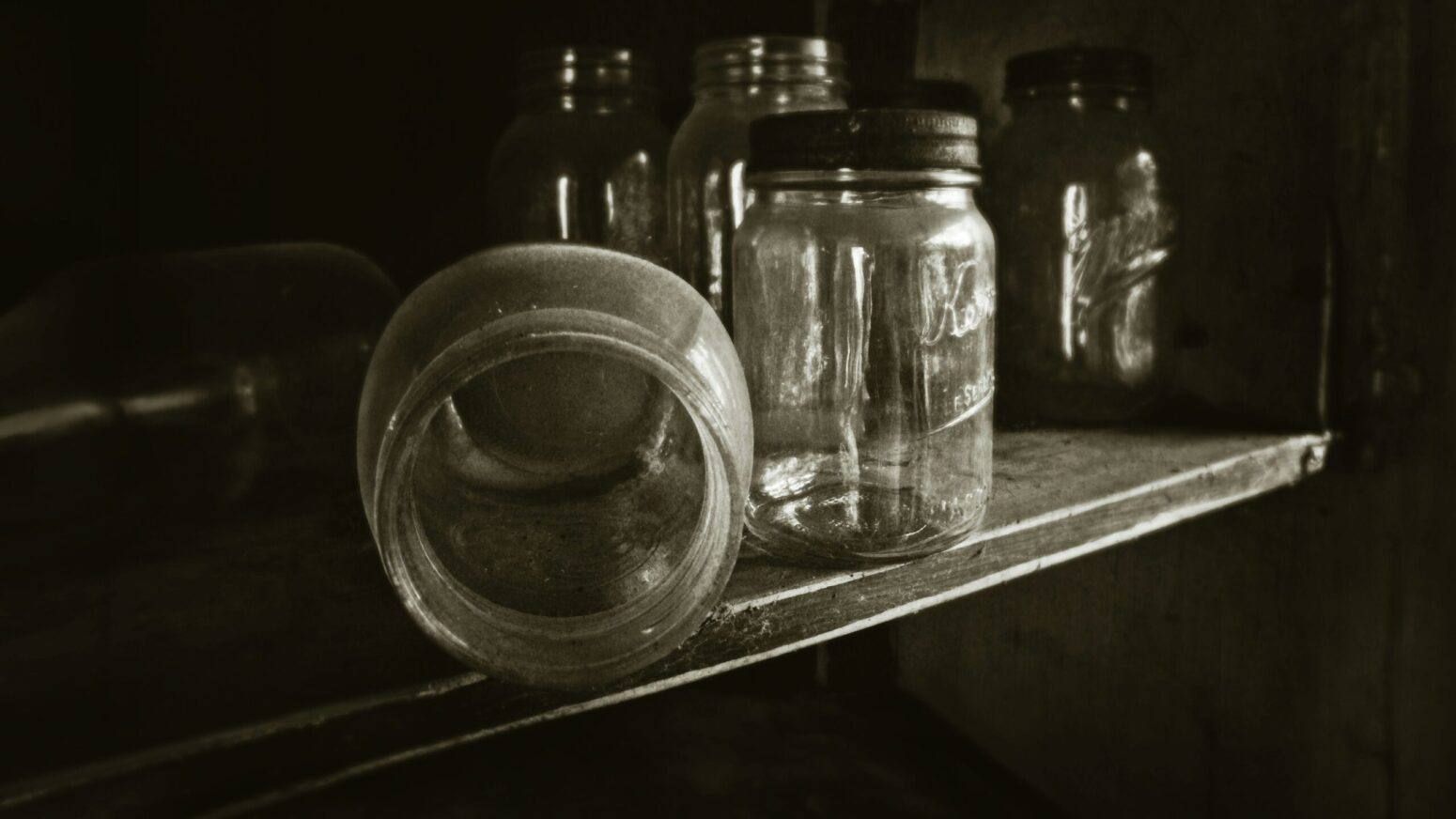
Her Great-Grandma Betty died at ninety-four, after a life spent eating meat and potatoes for dinner, fried eggs and hissing sausages every morning. Grandma Betty never dined at Taco Bell, as far as I know, but cans of pork and beans lined her cupboard. Fruit cocktail, sardines, Spam—a canning habit picked up from a Great Depression childhood. Sustenance is safer entombed in glass jars or in tins shaped like the artillery shell that tore through her twenty-four-year-old son’s pelvis in Indiana while he was serving in the National Guard. The doctor chose the wrong thread to sew his insides and the stitches dissolved, wept, his abdomen filling with blood. Grandma Betty’s husband prepared every meal, cranking open cans while she drove her Volvo to purchase smoke-damaged curtain rings for Giantway, up until Wilbur died at sixty-six, liver cancer as black as the crude he refined in Alma, Michigan. Those great oily barrels, those gargantuan cans from which the Midwest warmed their winters, seeped inside his body. So he never met me, his grandson. But I knew Betty’s second husband, who also cooked for her, who popped Milwaukee’s Best cans ritualistically, until his death. Two husbands outlived and thousands of cans. Before they died, Betty and her doomed men would joyride past the Taco Bell to curse the army base from the car window, then go silent as they passed the refinery, then back home for dinner.
When Betty finally died at ninety-four, my daughter was three. It was her first death. After I returned from the funeral, she asked if she, too, would die. Yes, I said, but not for such a very long time, not until you’ve lived a beautiful life. She clutched me, asked, Can we die together? A death pact at three, because who can imagine death alone? Though we all will be alone, even my sweet daughter. So, order a pair of bean burritos. Order four. Let’s ensure against tomorrow. Open another can and answer hunger. Hold the onions. Pray the beans are fresh, the sauce plentiful, the tortilla soft and warm, for my daughter’s belly growls from the back seat.