Poets on Parenthood: An Interview with Dorianne Laux
5 Minutes Read Time
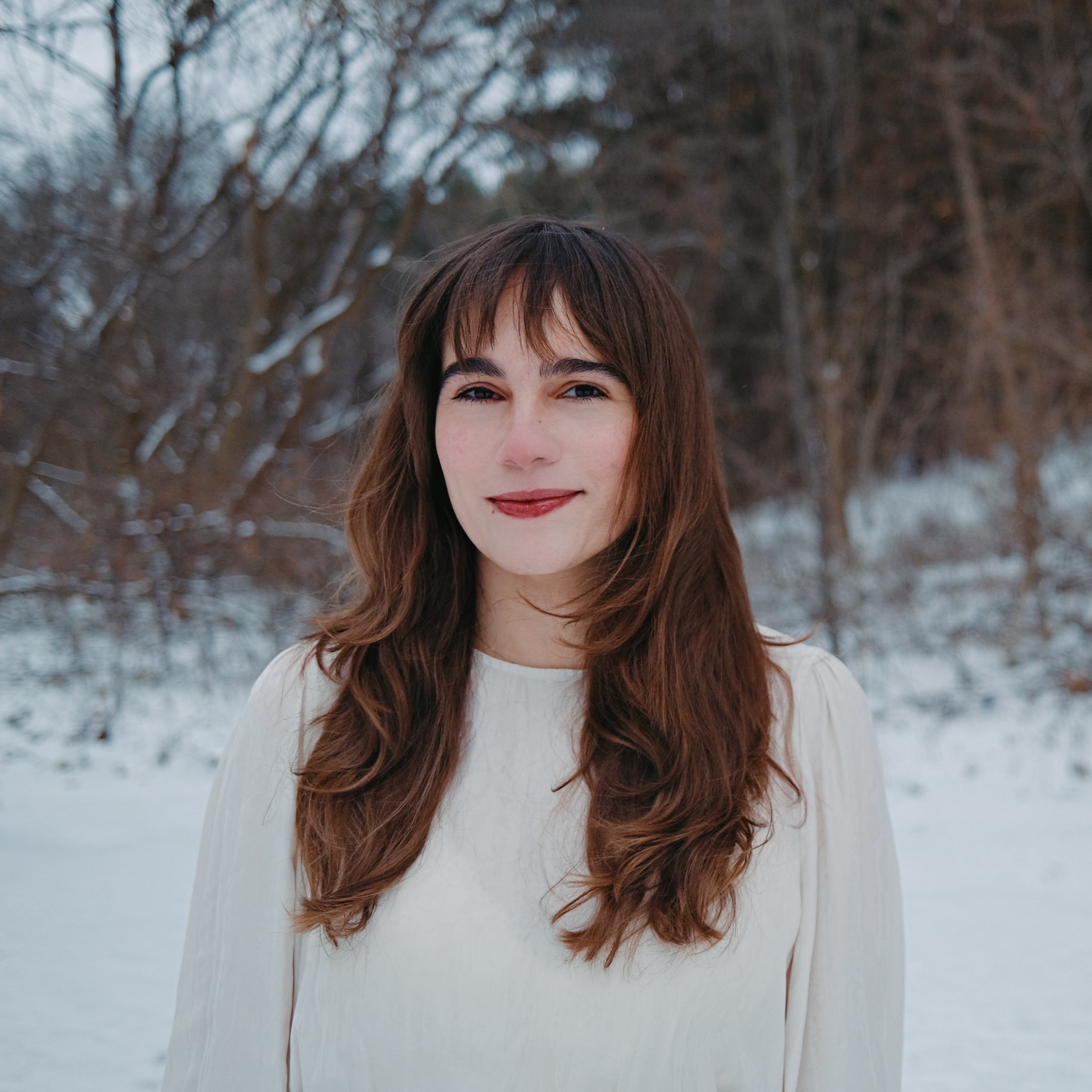
Assistant Editor Leila Chatti: When my second book released last fall, I traveled around the country with both a new book and baby in tow. I was surprised, moved, and energized by the many conversations that arose as a result—everyone, it seemed, was eager to talk not only about poetry, but also about parenthood. Parents and non-parents alike were curious: How is the writing going? What does your schedule look like? What is different, in you, for you, now that everything has—hasn’t it?—changed?
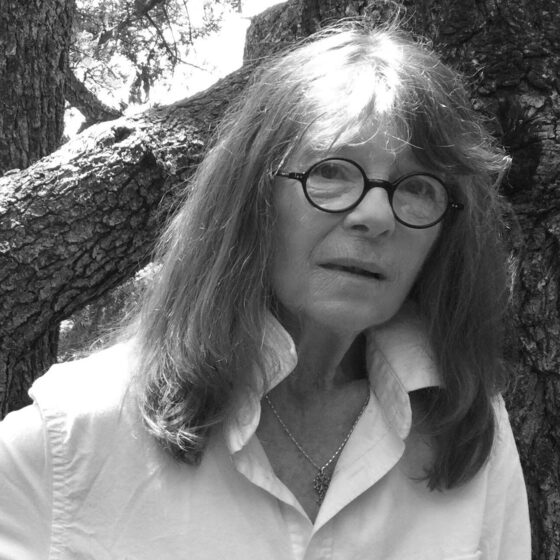
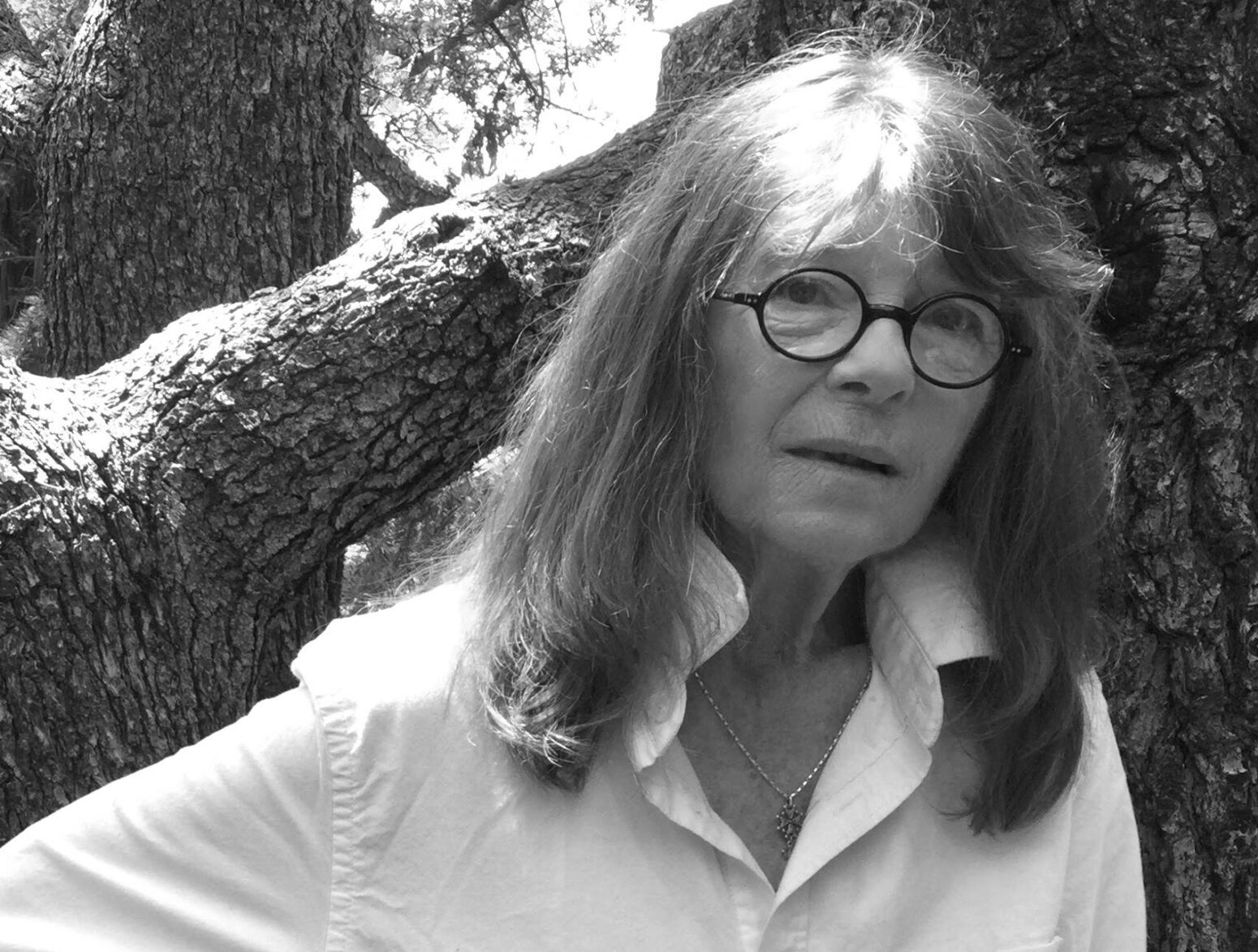
I, too, was and am curious, and so decided to ask some parent-poets for their answers, which I will be sharing here on the blog. To get a better sense of the many myriad experiences of living as both a parent and a poet, I interviewed poets along the spectrum of parenthood—from poets who have just begun their journey in the newborn stage to those with adult children out in the world. I asked each poet the same list of questions. This series begins, fittingly, with the woman I call Mama—mentor, dear friend, and poetry-mother to so many, Dorianne Laux.
LC: How many children do you have?
DL: I have one girl, [she’s] fifty now! I also helped to raise my nephew and niece.
LC: What era of parenthood are you currently in? For instance, do you still have children living at home, or are your children now adults?
DL: All now adults. Thank gawd! We got them though the dangerous teen years.
LC: When in your writing career did having children fall? For instance, did you begin writing and publishing professionally before or after the arrival of your first child? Feel free to include a brief timeline if you’d like.
DL: I began writing very young, but did not begin to publish until after my daughter was born. My first book, Awake, came out in 1990 and she was born in 1976.
LC: Has your writing career impacted your decisions around having children? (For instance, how many children to have, or when.) Feel free to share as much or little as you feel comfortable.
DL: I did think about having a second child, but after she was born I began to think about my writing and how I wouldn’t have the time. I was also working so it would have been nearly impossible.
LC: Has your writing (the work itself) changed since becoming a parent? If so, in what ways?
DL: Only in that I’ve written poems about her, and that I run my poems by her if I think she might be uncomfortable about them. She’s never said no to a poem. She also colors my world so even if they aren’t about her, she is there, somewhere, floating above the words.
LC: What does your writing process look like? When/how do you schedule it, what tools do you use, and how has this changed (or not) since having children?
DL: I have a story about that. One day she came in while I was writing and asked me to drive her and a friend somewhere. I said, “Now, I have to finish this first.” She had to wait a lot. When she grew up, I asked her if she ever felt resentment about me being unavailable so often. She said, “Oh no, when we asked other parents to take us somewhere they’d say no, but they were only watching TV. You were doing something important, you were writing books!” I can’t tell you how good that felt.
LC: What is your child/ren’s relationship to your writing?
DL: My daughter rarely reads my poems. She says it’s too personal, they make her cry. On the other hand, she is extremely proud of me and shows my books off to her friends. When she worked at a coffee shop she saw someone reading one of my books and told them I was her mother and they were excited to meet her. She thinks I’m cool.
LC: What has been your greatest challenge in being both a parent and writer.
DL: The biggest challenge was the guilt I spoke about earlier. In that same conversation I asked about the times I was away on a writing retreat or conference or teaching. How I didn’t have time and give her as much as a full-time parent. Again, she reminded me of all I had done: “You took me to Hawaii, you sent me to horse camp, paid for riding lessons, came to my shows, defended me when someone said I had stolen something, let me have a dog, and a cat, gave me driving lessons and got me my first car, and taught me to be a good person.” And she is. The best!
LC: What has been the greatest gift or surprise you’ve found in being both a parent and writer?
DL: She gave me the experience of loving someone more than myself. She made me more human.
LC: If you were to give one piece of advice, wisdom, or encouragement to other writer-parents, what would that be?
DL: Love and care for your poems as you would love and care for your children, as you would love the world. You birth them both, give them life. They are miracles.