Interview with Kathryn Cowles and Donald Revell
6 Minutes Read Time
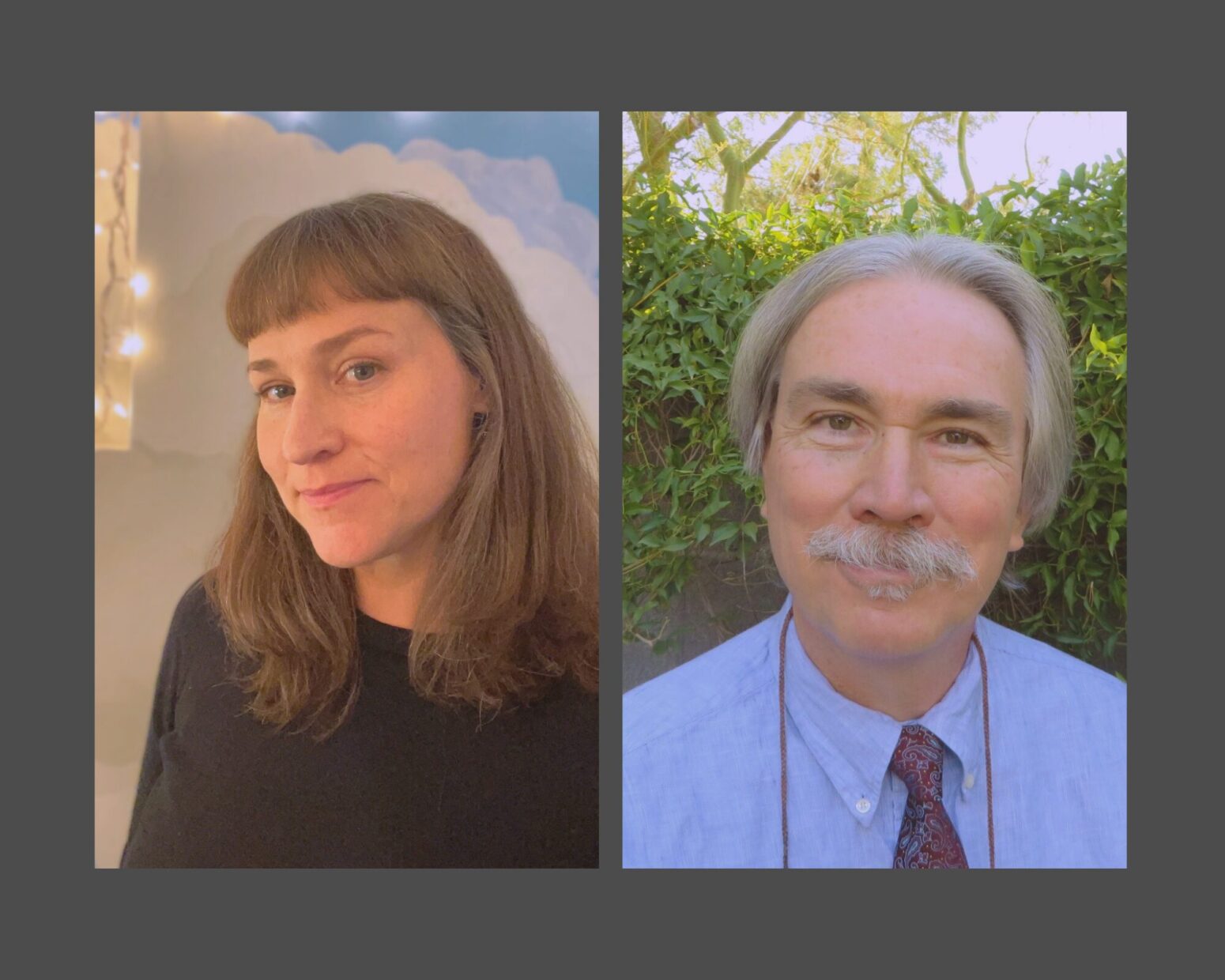
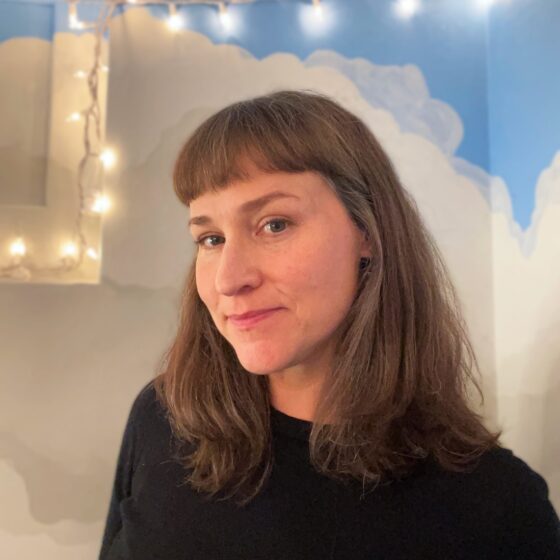
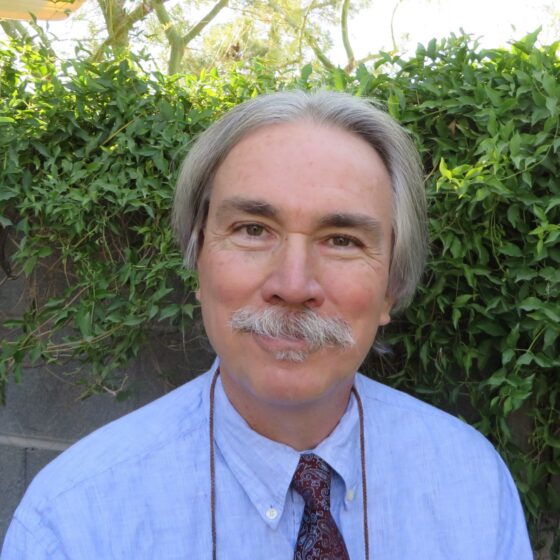
Managing Editor Lisa Ampleman: Next week on Thursday, April 23, at 5:30 p.m., the Elliston Room in Langsam Library will host a double bill as the last event of UC’s Visiting Writers Series for this academic year: poets Kathryn Cowles and Donald Revell. I reached out to the two in advance, to ask them about advice for young writers and more.
Kathryn Cowles
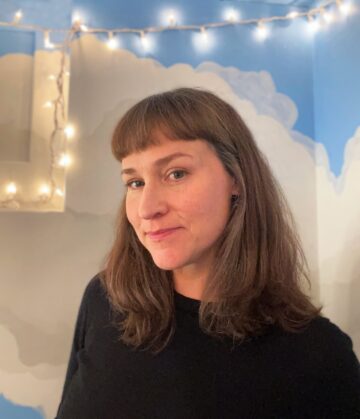
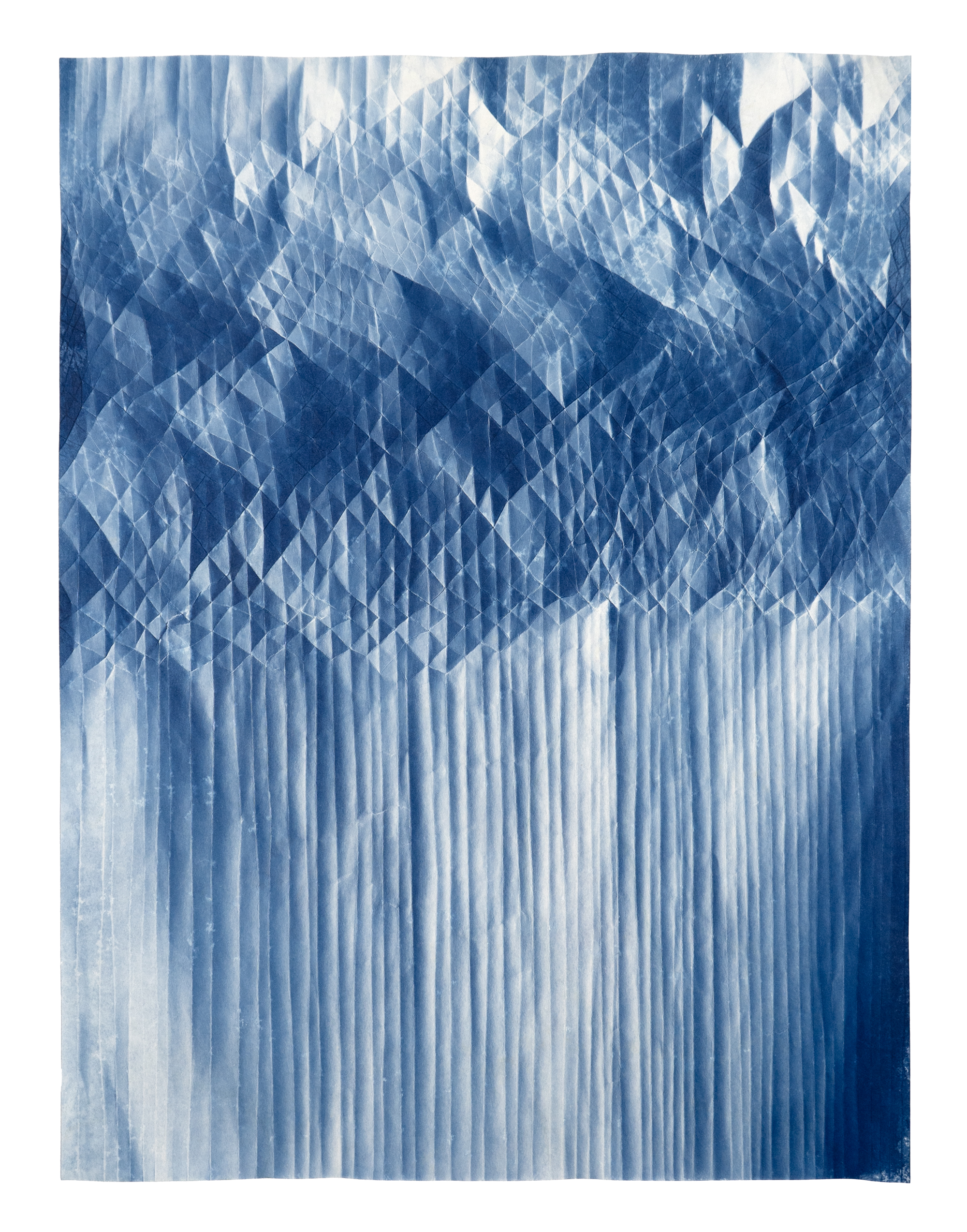
Your work includes “poem-photograph hybrids” and other visual poetry. What would you recommend for writers interested in starting work like that? What technology, tools, or techniques would help? How do you go about revising?
The first thing I like to say to writers interested in trying visual poetry is you are absolutely allowed to do it. I think a lot of writers feel unqualified to make visual art pieces and so don’t ever try it. But the idea of qualification is nonsense, just like it’s nonsense to say, as some famous poets have, that people should leave the poem-making to the professionals. I think everyone should write poems and make art. Art can’t be hurt by people doing it, so there’s no risk, and so much benefit.
When I incorporate visuals into poems, I think of it as a form of play and also a form of thinking. I think differently when I’m flipping through old magazines or setting my language up to wrestle with an image. I like to put images next to one another, to try out a number of different possibilities, before I glue anything down, which is something I’d recommend to anyone starting out with collage. The revision process has to take place before the glue, so taking pictures of different configurations while playing around can be very helpful when it comes to making something that surprises you.
Many in the audience at your reading in the Elliston Room will be students. What advice do you have for young or emerging writers?
First and foremost, read, read, read. A composer would never think to improve at composing without listening to music. A painter would never try to paint without looking at other’s people’s work. But sometimes poets don’t think they need to read poetry. It’s very hard to improve at something without learning how that thing operates. Even reading poems that are totally different from what you want to do is instructive. A lot of what I teach in my own poetry workshops I call eye training: helping students to take more in when they read, to bury poems they read in the compost of their brains in a sort of alchemical process that comes out later as better first drafts of poems. You can’t train your intuition without reading other people’s work with an attention to the how as much as the what.
What kinds of things have been feeding your creative side lately (books, TV, film, natural spaces, people, etc.)?
I’m interested in place right now because I’m working on a sort of sideways poetic memoir of the place where I grew up. So I recently traveled to my ever-changing home town and some of the haunts where I used to hang out when I was a teenager. While there, I could almost see my younger self running by me in past-ghost form. Returning to a vivid place that is part of a person’s own mythological origin story can lead to some vivid art-making, but the process is tricky.
In her terrific memoir Hold Still (Little, Brown and Company, 2015), the photographer Sally Mann writes, “if you want to keep a memory pristine, you must not call upon it too often, for each time it is revisited, you alter it irrevocably, remembering not the original impression left by experience but the last time you recalled it. With tiny differences creeping in at each cycle, the exercise of our memory does not bring us closer to the past but draws us farther away.” I believe this and have seen it happening in my own writing.
I’m interested, then, in the process of how being physically in a personally mythological place affects a person’s memory of the place. I want to glue the muddiness of the process onto the surface of the art I make, to render it visible. In the service of this project, I’ve also been reading a ton of creative nonfiction and lyric-essaying to investigate how other people juggle the difficulties of the genre as I decide how to go about writing mine.
Donald Revell
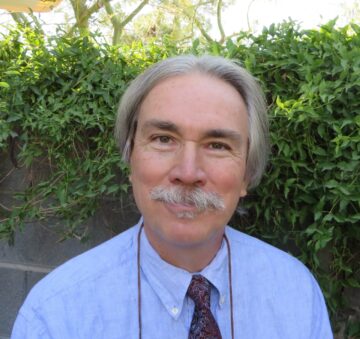
Your work is such a great mix of images and philosophical, meditative moves. Does a poem start for you as a visual image, a thought, or some combination of the two?
For me, a poem begins as a state of mind, a change in the weathers of my thinking. From this, there might arise a rhythm—just a brief passage of wordless tones. And then I wait for a few words to fall into that rhythm; this usually happens in the morning when I take my walk into town. Then, in a day or two, I write those few words down and let the poem go on from there. If all goes well, every line is a new beginning, and the finished poem is (for me) a new mind.
Many in the audience at your reading in the Elliston Room will be students. What advice do you have for young or emerging writers?
My advice to young poets is this: Do not write to please the living. Write to honor the dead and to comfort the unborn. Study the canons of your art and allow their doctrines and disciplines to enlarge your available reality. And always remember that your first and most important critic is the poem itself.
What kinds of things have been feeding your creative side lately (books, TV, film, natural spaces, people, etc.)?
In the past two years or so, I’ve been much inspired and instructed by a thorough rereading of the works and journals of Kierkegaard. His notions of an “absolute beginning” and an “absolute subjectivity” have helped me to a further and, I hope, more generous imagination of poetic line. Thanks to this imagination, I’ve been able to find new beauty and new truth in poems I’ve loved for all my adult life—most particularly the poems of Marvell, Dickinson and Ashbery.