The Aristotles That Never Were
7 Minutes Read Time
When I am thinking about leaving my husband, my friend reminds me of that poem we both like where you sit and watch the boats on the horizon, which are all the lives you might have lived.
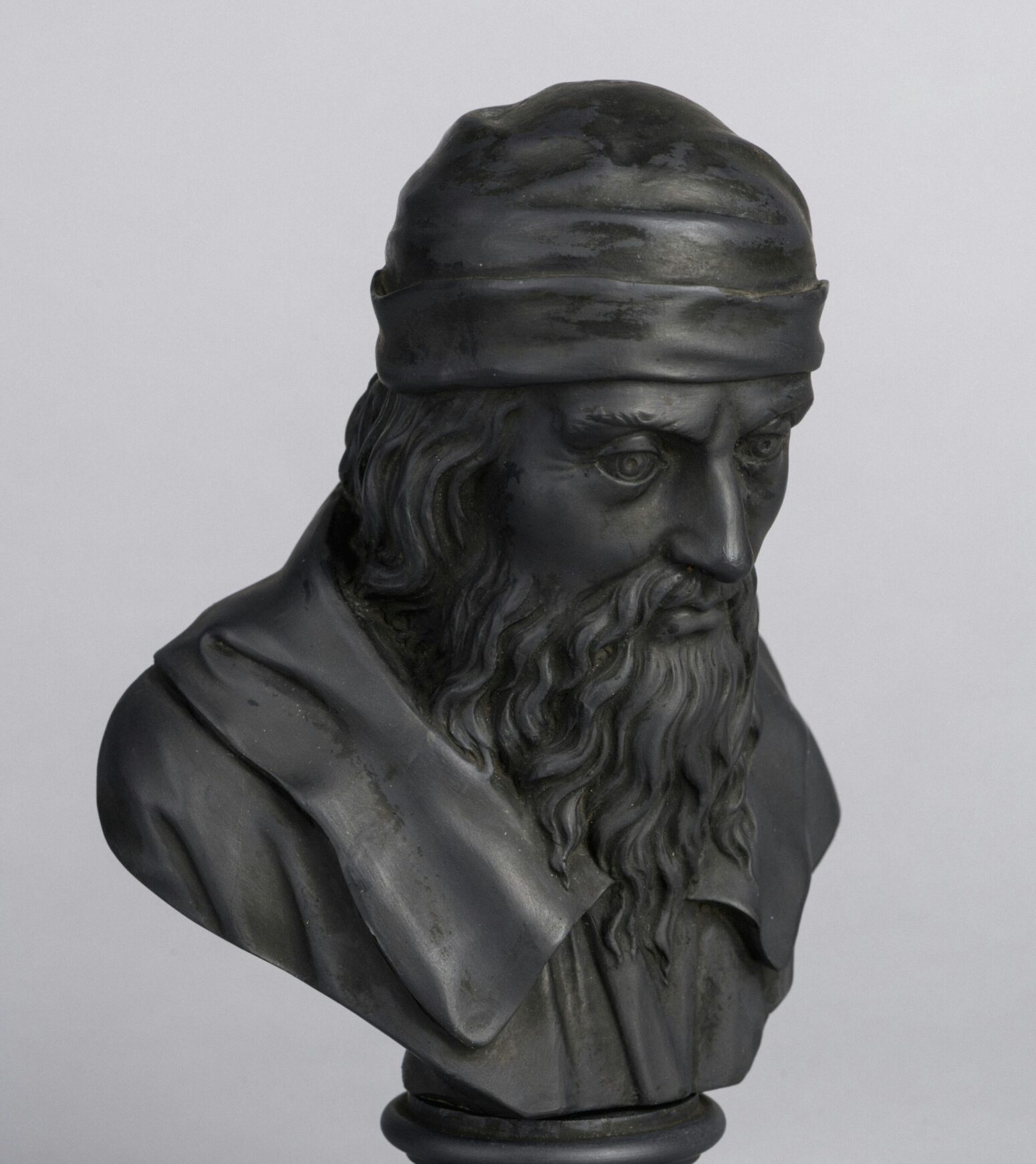
When I am trying to decide what I want, out of the realm of what’s possible, I watch a hummingbird pollinate the fireweed, as he does every morning of this season, and think about how Aristotle said that all knowledge is rooted in the senses. How he said philosophy begins with our own desire to feel, because we cannot know anything until we know why we feel what we do—and why we don’t feel what we don’t. Aristotle’s name and writings disappeared for centuries. Arabic librarians were the ones that saved him until the crusaders came and wanted their literacy back. But translation creates infinite possible meanings, as in the infinite ripples of a tide, while whales surface and propagate the mysterious science of their deep being out at the horizon, where they are almost, or perhaps are, or most certainly are not, more of those pretty white sails.
Pseudo-Aristotelian texts abounded throughout the Middle Ages and the Renaissance. Everybody’s favorite handbook for sex and midwifing, Aristotle’s Masterpiece, was just one of those inappropriately credited to him, who would probably not have proposed that hirsute maidens and black-skinned infants were the consequences of their parents’ imagina- tions at the moment of conception.
There was also not-Aristotle’s De Proprietatibus Elementorum, a work on geology considered helpful by the alchemists. And On the Universe was a popular reference for astrologers that Aristotle did not write. Real Thomas Aquinas read and appreciated Unreal Aristotle’s The Book of Aristotle’s Explanations of Pure Good. If only the Secreta Secretorum, a study on the unseen world, had been written by a philosopher who believed that the senses, not the mind, determine what is real.
In Aristotle’s Problemata, not-Aristotle asks question after question for hundreds of pages. What is carnal reproduction? he wants to know. And, how are hermaphrodites begotten?
Why is it that the change of the seasons and the winds intensify or stop diseases and bring them to a crisis and engender them?
Why do they say that a change of drinking water is unhealthy, but not a change of air?
Why do those who are asleep perspire more freely?
Why has wine the effect both of stupefying and of driving to frenzy those who drink it?
Why are the drunken more easily moved to tears?
As I read, I sometimes think Pseudo-Aristotle is paying very close attention and sometimes that he pays no attention at all. As I read, my friend is watching the boats. Surely one of them is meant for us.
Why are the melancholic particularly inclined for sexual intercourse?
Why are birds, and men with thick hair, lustful? Why are riders on horseback less likely to fall? Why do some unpleasant sounds make us shudder?
Why is it that some animals cough, while others do not?
I wonder what makes a person good at posing questions. It is a gift, I think, this art of opening up the ends of ideas and making them wonder o≠ into the white silence at the margins of the page.
Why is it that fair men and white horses usually have grey eyes?
Why is it that eunuchs do not become bald?
Why is it that the deaf always speak through their nostrils? Why are sounds more audible at night?
Why does cold water poured out of a jug make a shriller sound than hot water poured from the same vessel?
I have been admonished about the tedium of going on about wonder, but sometimes I just want to tell someone something astonishing I have learned because knowing it has made me feel happy. I want a life where someone is happy just to be sitting next to me. I want a life where I am struck by unexpected compliments or a certain way a friend has of finding a reason that is no good reason to touch my wrist.
Why is the sound of weeping shrill, whereas that of laughing is deep? Why are voices deeper in winter?
Why does salt make a noise when it is thrown on fire? Why is it that the voice trembles in those who are afraid?
Why are the odors both of burnt perfumes and of flowers less pleasant at a short distance?
Are scents smoke or air or vapor?
Pseudo-Aristotle answers questions only with more questions. Reading his Problemata feels like observing the invention of the process of hypothesis, which will one day be the first step of the scientific method. I want our boat-spackled horizon to be filled with all of the ques- tions I have no idea how to answer. I don’t like how we’re never going to know the answers, but I like not knowing them together. What would Aristotle have thought if he knew what was to become of his name? On the truly terrible days, I can imagine him feeling only indi≠erence, as if a fog never lifted and the chair beside him is empty. As if he never saw his other lives passing by. But that’s just one boat. On other days he is frustrated by the obfuscation of his work. Or outraged. Or cracking up at what time can do to what we thought we knew.
Why is it that the bases of bubbles in water are white, and if they are placed in the sun they do not make any shadow, but, while the rest of the bubble casts a shadow, the base does not do so but is surrounded on all sides by sunlight?
Why is it that the parts of plants and of animals which have no functional importance are round?
Why are contentious disputations useful as a mental exercise?
Why is it that in contentious disputations no trifling can ever occur?
Why do we feel more pleasure in listening to narratives in which the attention is concentrated on a single point than in hearing those which are concerned with many subjects?
Why do those who are grieving and those who are enjoying themselves alike have the flute played to them?
Why is it that of all things which are perceived by the senses that which is heard alone possesses moral character?
Things could be so different from how they are. We can’t say that they would be better. But the possibility of some other way makes this one feel faint and fading, transparent when it could be milky, or milky when it could be transparent.
Why do waves sometimes begin to move before the wind reaches them?
Why is it that the waves do not ripple in the deep open sea?
Why is it that if anything is thrown into the sea when it is rough, a calm ensues?
Why is the sea more transparent than fresh water, although it is thicker?
Why is the sea combustible?
Why does the air not become moist when it comes into contact with water?
Why is it that air is denser than light, but it can pass through solids? Why is it that air cannot saturate anything?
When I am being melodramatic about my choices, I don’t know why we have the sensation of choosing in the first place. Why should every minute of our lives be a choice? Is it the case that to choose is to feel yourself pseudoing into some other air or some other sea? When I’m being melodramatic, I feel like I’m multiplying. Aristotle lived for sixty-two years. The child he raised lived for fewer. The years went by and by. So many people loved so many people in the meantime that the air and sea grew thick with the pseudo-selves of them all. They became the air we breathe, an atmosphere that could or could not pass through certain metallic solids and certain gelatinous moistures, all of which, like us, are living out lives in suspension.
Read more from Issue 15.1.